

- by Dr Preethy Shanmugapriya, Occupational Therapist
Traditional mental health care often falls short when it comes to neurodivergent young people. Many support systems are built around neurotypical expectations of emotional regulation, social skills, and coping strategies—leaving gaps that can make neurodivergent teens feel unseen, unsupported, or even pathologized.
As Occupational Therapists, we play a crucial role in bridging these gaps by offering the right support tailored to neurodivergent needs.
This edition of the Therapix Newsletter explores three key areas where OTs can make a difference.
OTs help by:
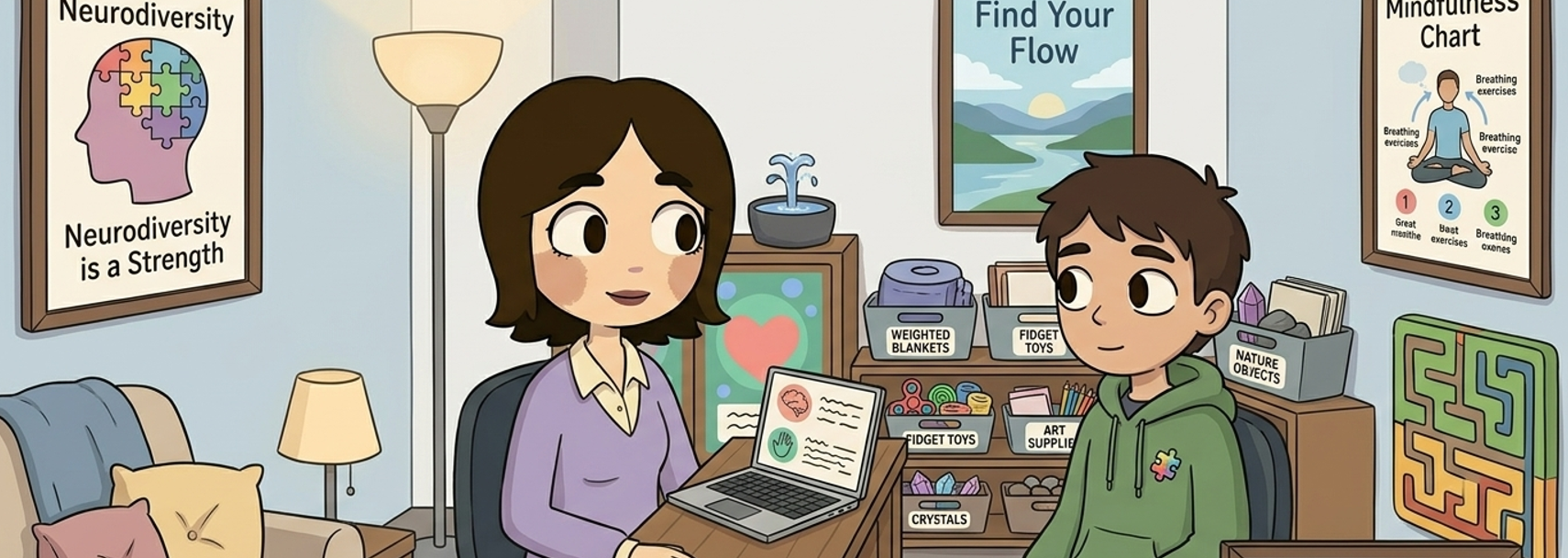
Supporting Self-Regulation Beyond Neurotypical Strategies
- Identifying sensory-motor self-regulation techniques that work for the individual (e.g., movement, deep pressure, fidgeting).
- Teaching body-based emotional awareness, so teens learn to recognize signs of stress before reaching a crisis point.
- Creating structured downtime and recovery spaces to prevent burnout.
Building Self-Advocacy Skills
Occupational therapists help build the skills and confidence needed to:
- Identify Needs – Understanding strengths, challenges, and necessary accommodations. Keeping a personal reference document can be helpful.
- Communicate Effectively – Learning to express needs assertively, such as requesting a quieter workspace or sensory breaks. Role-playing can improve these skills and Knowing when to say “no” or ask for extra time to prevent burnout by setting boundaries.
Building a Personalized Sensory Toolbox
- For sensory-seeking teens: Resistance bands, weighted items, or rhythmic movement breaks.
- For sensory-sensitive teens: Noise-canceling headphones, sunglasses, or fidget tools.
- For emotional overwhelm: Visual schedules, sensory-friendly calming spaces, or pressure-based input like compression clothing.
School inclusion initiatives should not require neurodivergent young people to change who they are to fit the system. As OTs, we can reshape support systems to honour their unique needs, strengths, and ways of experiencing the worlds
Let’s continue to advocate, adapt, and empower.